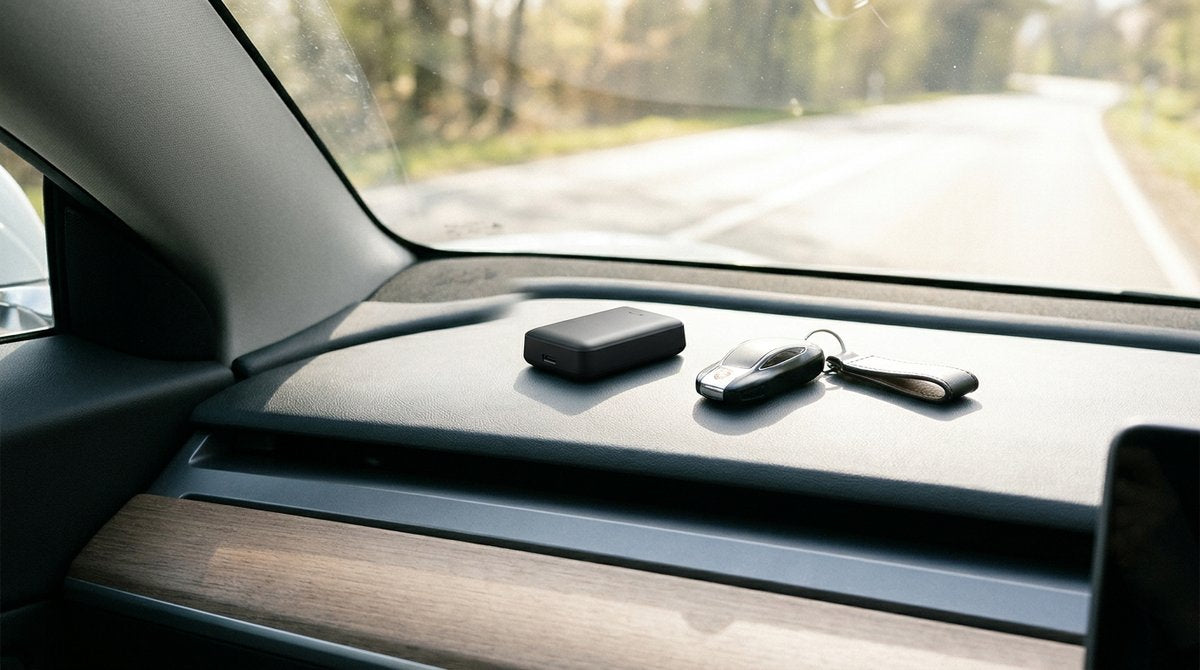
How to Track Your Car in 2026: Everything You Need to Know
Whether you're worried about theft, keeping an eye on a new driver, or managing a few vehicles, a GPS car tracker gives you real-time peace of mind. Here's how car tracking works in 2026 and what to look for.
How car trackers work. A GPS car tracker pinpoints your vehicle's location and sends it over a cellular network to an app. Some plug into the OBD-II port, some are hardwired, and others are battery-powered and magnetic for discreet placement.
Key features to compare. Look at real-time update frequency, battery life (for standalone units), geofencing and movement alerts, route history, and — crucially — the monthly data cost. Theft-recovery features like tamper alerts are worth having if security is your main concern.
Privacy and the law. Tracking a vehicle you own is generally fine, but tracking someone else's car without consent can be illegal. Always check local laws before placing a tracker on a vehicle you don't own.
Key takeaways
- Choose OBD, hardwired or battery-powered based on how discreet you need it.
- Real-time alerts, geofencing and route history are the most useful features.
- Factor in the monthly subscription, not just the device price.
- Only track vehicles you own or have consent to track.
Advertising disclosure: BestBrandsRanking is reader-supported and may earn a commission when you buy through links on our site. This never affects our rankings. BestBrandsRanking is operated by Lashia LLC.